
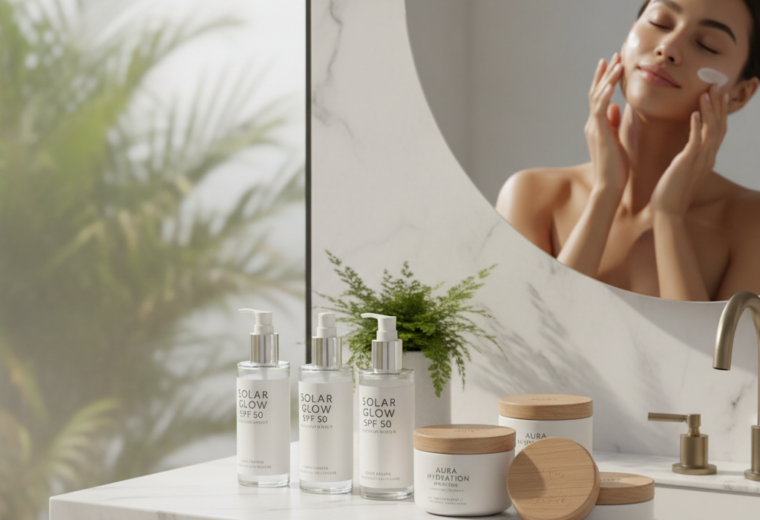
A face moisturizer with SPF can simplify a morning routine, but convenience only helps when the product provides suitable protection and you apply enough. The best option is not one universal bottle. It is a broad-spectrum formula that suits your skin, layers well and is comfortable enough to use every day.
Read the sunscreen label first
The US Food and Drug Administration recommends a broad-spectrum sunscreen with SPF 15 or higher as part of a complete sun-protection plan. Many dermatologists favor SPF 30 or higher for daily exposed skin. Broad spectrum means the product is designed to protect against both UVA and UVB radiation.
Check whether the product is water resistant if you will swim or sweat, and follow the labelled resistance time. No moisturizer stays effective all day without attention. The FDA advises reapplying sunscreen at least every two hours and more often after swimming or sweating.
Match the base to your skin
Dry skin
Look for a creamier base with glycerin, ceramides, hyaluronic acid, dimethicone or other barrier-supporting ingredients. Our dry-skin moisturizer guide explains how humectants, emollients and occlusives work together.
Oily or acne-prone skin
A fluid or gel-cream texture may feel easier to apply generously. “Non-comedogenic” is useful label language, but introduce the product gradually because no claim can guarantee that every user will avoid breakouts.
Sensitive skin
Fragrance-free formulas can reduce one common source of irritation. Mineral filters such as zinc oxide may suit some sensitive users, while others prefer the transparent finish of organic filters. Comfort and consistent use matter more than treating one filter category as universally superior.
Use enough product
A common weakness of moisturizer-sunscreen hybrids is under-application. People often use the amount of moisturizer that feels pleasant rather than the amount needed for the labelled SPF. Apply an even layer to the face, ears and neck before sun exposure. If the required amount pills, looks chalky or feels too heavy, choose a different formula instead of routinely using less.
Tinted products can help address visible-light concerns and reduce white cast, but shade and coverage influence how much you will use. Our ILIA Super Serum Skin Tint review explains the tradeoff when complexion coverage and sunscreen share one product.
Do you still need a separate moisturizer?
It depends on your skin and the season. An oily skin type may find one moisturizing sunscreen sufficient. Dry skin may benefit from a plain moisturizer underneath, provided the layers do not pill. Allow each layer to settle and avoid mixing sunscreen with moisturizer in your palm, because that can make coverage uneven.
Buying checklist
- Broad-spectrum protection at an appropriate SPF.
- A texture you can apply generously.
- Fragrance-free if sensitivity is a concern.
- Water resistance when the activity requires it.
- A finish that works with makeup and reapplication.
A moisturizer with SPF is valuable when it removes friction from the morning routine. It is not a way to bypass sunscreen directions. For a separate night product, compare the claims in our firming moisturizer guide.