
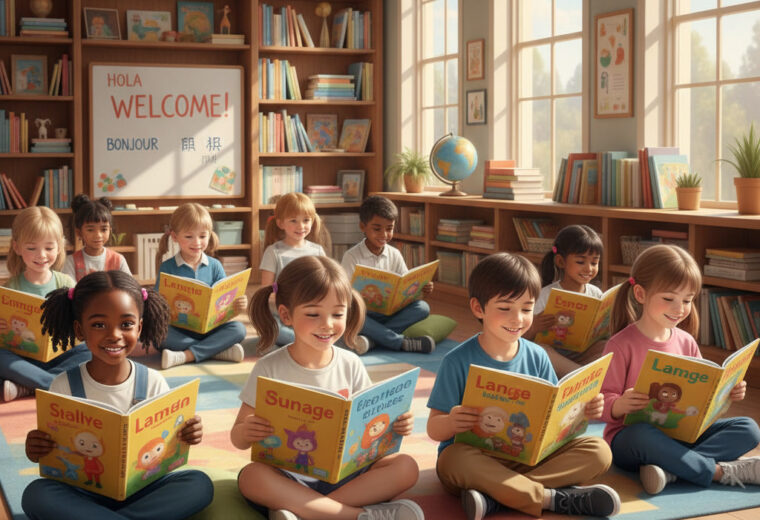
Understanding the Link Between Language Learning Books and Children’s Literacy
What Are Language Learning Books?
Language learning books are materials designed to help children develop and improve their language skills. These books may focus on reading, writing, speaking, and understanding a language. They can include storybooks, workbooks, picture dictionaries, and themed readers. Using language learning books at an early age builds a strong foundation for literacy.
How Language Learning Books Support Literacy Skills
Language learning books improve essential literacy skills for children. By engaging with stories and exercises, children expand their vocabulary, improve grammar, and enhance comprehension. Reading these books also strengthens listening skills and motivates children to practice speaking and writing. As a result, children become more confident communicators and readers.
Choosing the Best Language Learning Books to Enhance Children’s Literacy
Criteria for Selecting Age-Appropriate Books
Selecting the right books is critical for fostering children's literacy. Consider the following criteria:
- Reading Level: Match the book to the child’s age and current literacy skills.
- Content Relevance: Pick books with themes that interest the child.
- Illustrations: Visuals help support understanding, especially for younger learners.
- Language Clarity: Simple, clear language aids comprehension and learning.
- Progressive Difficulty: Choose books that gradually increase in difficulty.
Top Recommended Language Learning Books (2026)
Here are some popular and effective language learning books for children in 2026:
- “First Words: Animals Around Us” – A picture-based vocabulary book for beginners.
- “Story Adventures for Young Readers” – Short stories with comprehension questions.
- “Fun with Grammar: Kids’ Workbook” – Engaging exercises to strengthen grammar.
- “Speak Up! Everyday Dialogues” – A guide to common conversations for children.
- “Bilingual Bedtime Stories” – Simple tales presented in two languages side by side.
How to Use Language Learning Books Effectively at Home and School
Practical Tips for Parents
- Set a Reading Routine: Dedicate 15-20 minutes every day for reading together.
- Ask Questions: After reading, ask your child about the story or new words.
- Encourage Participation: Let your child choose the books or read aloud sections.
- Use Book Extras: Work through exercises, puzzles, or activities provided in the book.
- Model Reading: Show enthusiasm by reading yourself and sharing your thoughts.
Strategies for Educators
- Integrate Books into Lessons: Use language learning books as part of daily class activities.
- Group Reading: Organize reading circles to boost motivation and peer learning.
- Interactive Activities: Pair reading with drawing, acting, or group projects related to the book.
- Differentiation: Provide books at various levels to meet diverse student needs.
- Track Progress: Assess students’ understanding through regular short quizzes or discussions.
Measuring Progress: Recognizing Literacy Improvement Through Language Books
Key Literacy Milestones
As children use language learning books, watch for these important milestones:
- Recognizing and reading new words independently
- Understanding story structure and recalling main ideas
- Accurately using new vocabulary in conversations
- Improving reading fluency and pronunciation
- Showing enthusiasm for reading and learning new words
Tools and Methods for Tracking Child Advancement
- Reading Journals: Encourage children to keep a log of books read and new words learned.
- Progress Charts: Mark achievements like finished books or reached milestones.
- Quizzes & Games: Use fun quizzes to assess comprehension and vocabulary growth.
- Parent-Teacher Check-ins: Regular updates between parents and teachers help spot progress and challenges.
Common Challenges and Solutions When Using Language Learning Books
Overcoming Lack of Interest
- Let Children Choose: Offer a variety of topics and let them pick what excites them.
- Add Activities: Combine reading with drawing, music, or games based on the book.
- Connect Stories to Real Life: Relate book themes to the child’s daily experiences.
Addressing Diverse Learning Needs
- Use Multi-Sensory Resources: Pair books with audio, apps, or tactile activities.
- Offer Personalized Support: Adjust the reading level or pace depending on the child.
- Encourage Peer Support: Buddy up children to read and discuss books together.
FAQ: Enhancing Literacy With Language Learning Books for Children
- Q: At what age should children start with language learning books?
A: As early as possible, especially ages 3-5, but language learning books benefit all ages.
- Q: How often should children use these books?
A: Daily or several times a week for consistent progress.
- Q: Can language learning books help bilingual children?
A: Yes, many books are designed for dual-language learners and can support both languages.
- Q: What if my child finds the books too hard?
A: Switch to a simpler book and gradually increase difficulty as confidence grows.
- Q: Are digital language learning books effective?
A: Yes, interactive e-books or apps can make language learning more engaging for some children.
Preparation: Needed Tools and Materials
- A selection of age-appropriate language learning books
- Reading journal or notebook
- Access to audio recordings or interactive book apps (optional)
- Pencils, markers, or colored pens for activities
- Progress chart or stickers for motivation
Step-by-Step Tutorial: Enhancing Literacy with Language Learning Books
- Select the Right Books
Start by choosing language learning books suitable for the child’s age and reading ability. Consider their interests and pick visually appealing materials.
- Establish a Regular Reading Time
Set a daily or weekly schedule for reading. Consistency helps form healthy reading habits and improves literacy.
- Interact During Reading
Ask questions, point to pictures, and encourage your child to describe what they see or read. Discuss new words and ideas.
- Engage with Book Activities
Complete exercises, puzzles, or creative assignments provided in the books. These reinforce reading and comprehension skills.
- Track and Celebrate Progress
Use journals or progress charts to mark milestones. Celebrate achievements to keep children motivated.
- Adjust for Individual Needs
Observe the child's reactions. If a book is too easy or hard, switch to a different level to maintain interest and effective learning.
- Review and Reflect
At the end of each week, review what has been learned. Reflect on strengths and areas to focus on next.
Advanced Tips: Optimizing and Improving the Literacy Process
- Combine different types of language books (stories, grammar, dialogue) for balanced growth.
- Introduce peer reading sessions or join a community library club to expand literacy experiences.
- Utilize digital resources to make the process interactive and multimedia-rich.
- Set specific goals, such as learning five new words per week, to boost motivation and tracking.
- Regularly communicate progress with educators to align home and school efforts.
Summary: Key Points and Next Steps
Language learning books are essential for enhancing children’s literacy. When chosen well and used regularly, they improve vocabulary, comprehension, and confidence in reading and speaking. Parents and educators should work together, using practical tips and step-by-step methods to support literacy at every stage. Track progress, address challenges flexibly, and celebrate achievements to make literacy growth both successful and enjoyable. Start today by selecting engaging language books and setting a reading routine, paving the way for lifelong learning.