
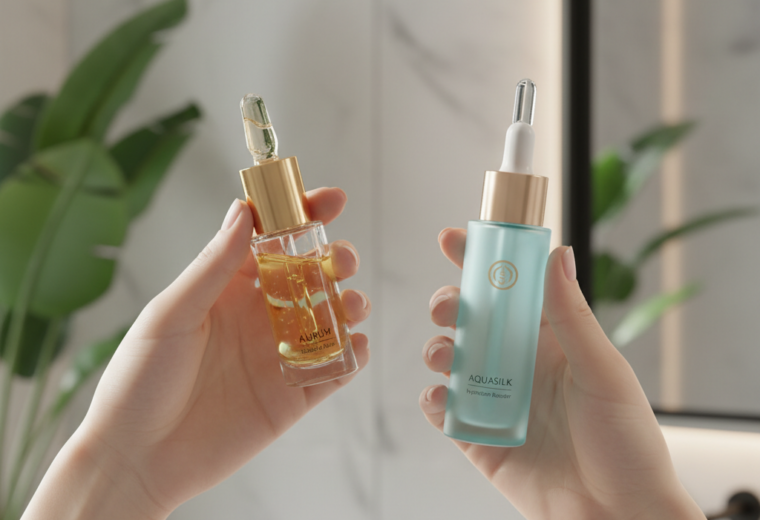
Ampoule and serum are product-format terms, not regulated guarantees of strength or effectiveness. In many routines, both describe a lightweight leave-on product used after cleansing and before moisturizer. The practical difference comes from the individual formula, directions and packaging.
What is a serum?
A serum is usually a concentrated, spreadable treatment designed around one or more goals, such as hydration, brightness or the appearance of fine lines. Serums can be watery, gel-like or oil-based. The name does not tell you the ingredient percentage, so read the full label and directions.
Examples include niacinamide-focused products such as Beauty of Joseon Glow Serum and antioxidant products discussed in our La Roche-Posay Vitamin C10 review.
What is an ampoule?
In Korean and European beauty contexts, “ampoule” may refer to a concentrated treatment or to single-dose packaging. Some ampoules are meant for short courses, while others are ordinary daily products. A small glass vial does not automatically mean stronger evidence or better stability; packaging must suit the ingredients and be used as directed.
Is an ampoule stronger than a serum?
Sometimes, but not by definition. A 10% active serum may be more concentrated than an ampoule whose percentages are not disclosed. Compare the actual formula, frequency and intended use. Marketing names should not override those facts.
Where do they go in a routine?
After cleansing, apply products from thinner to thicker unless the manufacturer directs otherwise. A common order is toner or essence, serum or ampoule, moisturizer and then sunscreen in the morning. You do not need both an ampoule and a serum merely because they have different names.
If you choose both, give each one a distinct job. For example, a simple hydrating ampoule may pair with a targeted discoloration serum. Avoid stacking several formulas with overlapping exfoliating acids, retinoids or strong brightening actives at the same time.
How to choose
- Define the skin concern before choosing the format.
- Check active ingredients and disclosed concentrations.
- Review fragrance, alcohol and other potential irritants in context.
- Choose packaging that you can use hygienically and consistently.
- Patch test and introduce one new active at a time.
When simpler is better
A cleanser, moisturizer and sunscreen form a more useful foundation than a shelf of overlapping concentrates. Add a serum or ampoule only when it addresses a specific need and the routine remains tolerable. If brightness is the goal, our vitamin C guide shows how to add one antioxidant step without turning the routine into a layering contest.
The bottom line: judge ampoules and serums as individual products. The ingredient list, formula stability, directions and your consistency matter more than the label on the bottle.