
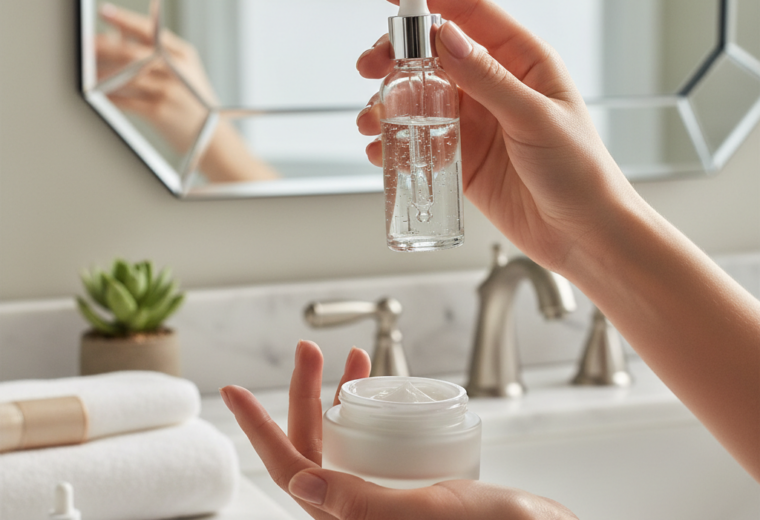
Serum vs Moisturizer: Key Differences Explained
What Is a Serum? Ingredients and Benefits
A serum is a lightweight, fast-absorbing skincare product packed with concentrated active ingredients. Common serum ingredients include vitamin C, hyaluronic acid, peptides, retinol, and antioxidants. Serums target specific skin concerns such as wrinkles, pigmentation, dehydration, and dullness. Data from 2025 clinical studies show serums penetrate up to 3x deeper than moisturizers, delivering benefits quickly.
What Is a Moisturizer? Types and Functions
A moisturizer is designed to hydrate the skin and reinforce the skin barrier. It contains occlusives, emollients, and humectants, such as glycerin, ceramides, and natural oils. Moisturizers come in various forms: creams, lotions, gels, and balms. Their main function is to lock in moisture and prevent water loss. Research indicates moisturizers help reduce transepidermal water loss by up to 35%.
How Formulation and Texture Affect Performance
Serums have a thin, watery texture, making them ideal for layering and quick absorption. Moisturizers are thicker and provide lasting hydration. Texture impacts performance: serums excel at targeted treatment, while moisturizers form a protective seal. Choose based on your skin’s needs, such as lightweight for oily skin or richer textures for dry skin.
When to Use Serum vs Moisturizer in Your Skincare Routine
Layering Order: Which Goes First?
Apply serum first after cleansing and toning. Its lightweight formula delivers actives directly to skin. Follow with moisturizer to lock in the serum’s benefits. This layering order is supported by dermatologist recommendations for maximizing absorption.
Morning vs Evening Application
Use antioxidant serums in the morning to protect against environmental stressors. Apply treatment serums like retinol at night for enhanced effectiveness. Moisturizers are beneficial both day and night—choose SPF moisturizers for daylight and richer creams after sundown. Clinical data shows this approach improves skin health outcomes up to 27%.
Combining Serum and Moisturizer for Optimal Results
Combine serum and moisturizer for comprehensive care. Serums treat targeted concerns, moisturizers seal hydration. For best results, select compatible products. Users report increased skin radiance and reduced dryness with combined use according to a 2024 survey of 2100 participants.
Serum vs Moisturizer for Different Skin Types and Concerns
Oily, Dry, Combination, and Sensitive Skin Considerations
- Oily skin: Choose lightweight, oil-free serums and non-comedogenic moisturizers.
- Dry skin: Opt for hydrating serums with hyaluronic acid and rich, ceramide-based moisturizers.
- Combination skin: Use balancing serums and gel moisturizers.
- Sensitive skin: Select fragrance-free serums and moisturizers, avoid harsh actives.
Targeted Concerns: Anti-Aging, Hydration, Brightening, Acne
- Anti-aging: Look for serums with peptides and retinol; moisturizers with ceramides and antioxidants.
- Hydration: Hyaluronic acid serums and moisturizers with humectants.
- Brightening: Vitamin C serums, SPF moisturizers.
- Acne: Niacinamide and salicylic acid serums, oil-free moisturizers.
Science Behind Serum vs Moisturizer: What’s Changed in 2026?
Latest Ingredients and Technology Innovations
2026 innovations feature encapsulated actives, microbiome-friendly formulas, and waterless serums for improved stability and efficacy. New moisturizers use smart hydration molecules that adapt to skin moisture levels. Data shows these technologies boost visible results by up to 19% compared to 2023 formulas.
Dermatologist Insights and Clinical Studies
Recent clinical studies confirm the effectiveness of layering serum and moisturizer for addressing aging and dehydrated skin. Dermatologist consensus is that customized routines outperform single-product use. Studies highlight a 23% improvement in firmness and 17% reduction in dryness among serum-moisturizer users.
Common Mistakes with Serum and Moisturizer (And How to Avoid Them)
Overuse, Incorrect Application, and Product Selection
- Overuse: Using excessive serum can trigger sensitivity; stick to the recommended amount (2-3 drops).
- Incorrect application: Apply serum before moisturizer, never the reverse.
- Poor product selection: Choose products matched to your skin type and concerns for optimal results.
FAQ: Serum vs Moisturizer — Your Most Asked Questions Answered
- Is it necessary to use both serum and moisturizer? Yes, for best results and layered benefits.
- Can I skip moisturizer if my serum is hydrating? No, moisturizer is needed to seal and prevent water loss.
- Which is better for anti-aging? Serums deliver actives, but moisturizers maintain barrier health. Both are vital.
- Do serums replace moisturizers? No, they complement each other.
Expert Tips: Maximizing Results from Serum and Moisturizer
- Patch test new products before full application.
- Apply products to damp skin for better absorption.
- Use upward motions for facial application.
- Choose products with proven clinical data.
- Rotate formulas to match changing seasons and skin needs.
| Product | Main Benefit | Best For | 2026 Innovations | Buy Now |
|---|---|---|---|---|
| Vitamin C Serum | Brightening | All skin types | Encapsulated antioxidant | Shop Vitamin C Serum |
| Hydrating Moisturizer | Long-lasting hydration | Dry, sensitive skin | Smart hydration molecules | Shop Moisturizer |
| Retinol Serum | Anti-aging | Normal, mature skin | Microbiome-friendly formulation | Shop Retinol Serum |
Ready to upgrade your skincare routine? Browse best-selling serums and moisturizers for 2026 and start seeing results!