
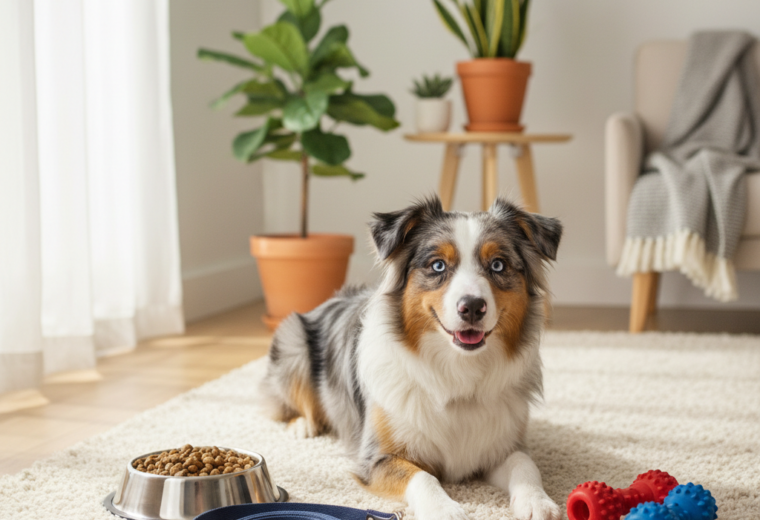
Quick Answer: What “High Maintenance” Means for Mini Australian Shepherds
Defining High Maintenance in Pet Care
In pet care, “high maintenance” means an animal needs a lot of time, effort, and resources. This includes feeding, grooming, exercise, training, and emotional support. Some dogs need more attention and activity than others. Mini Australian Shepherds, or Mini Aussies, often fall into this category due to their energy and intelligence.
Common Misconceptions About Mini Aussies
Many people think that because Mini Aussies are small, they are easy to care for. However, size does not always mean low maintenance. These dogs are active, smart, and form strong bonds with their owners. They can get bored and develop bad habits if not cared for correctly.
Daily Care Requirements for Mini Australian Shepherds
Feeding and Nutrition Needs for Mini Aussies
- Choose High-Quality Dog Food:
Select a balanced, age-appropriate dry or wet dog food. Look for foods with meat as the first ingredient and avoid those filled with fillers like corn or by-products.
- Measure Portions:
Feed your Mini Aussie twice a day, giving measured amounts according to weight and activity level. Overfeeding leads to obesity.
- Include Fresh Water:
Provide clean, fresh water at all times. Wash the water bowl daily.
- Healthy Treats:
Offer small, healthy treats for training or rewards, but watch the calorie count.
Grooming Routine: Coat, Nails, and Teeth
- Brush the Coat:
Brush your Mini Aussie 2-3 times per week to remove loose hair and prevent mats. Use a slicker brush or undercoat rake during shedding seasons.
- Bathe Occasionally:
Bathe your dog every 2-3 months or when they get dirty. Use dog-specific shampoo.
- Clip Nails:
Trim nails every 3-4 weeks. If you hear clicking on the floor, it’s nail time. Use dog nail clippers or a grinder.
- Brush Teeth:
Brush your dog’s teeth several times a week. Use dog toothpaste and a brush.
Exercise and Mental Stimulation Essentials
- Daily Exercise:
Mini Aussies need at least 1-2 hours of exercise daily. Walks, runs, or play sessions are necessary.
- Mental Games:
Use puzzle toys, treat-dispensing balls, or teach new tricks to keep your dog's mind sharp.
- Varied Activities:
Add agility, frisbee, or fetch to prevent boredom and restlessness.
Emotional and Social Needs of Mini Australian Shepherds
Velcro Dog Traits: Attention and Affection
Mini Aussies are called “Velcro dogs” because they like to be with their owners all the time. They crave attention and don’t enjoy being left alone for long. Daily cuddles and playtime make them happy.
Separation Anxiety and Training Solutions
- Teach Alone-time Gently:
Start with short absences, using treats and toys, then slowly increase the time spent apart.
- Safe Space:
Create a cozy spot with a bed, blanket, and safe chew toys to comfort your dog when alone.
- Consistency:
Follow routines for departure and arrival to reduce stress and anxiety.
- Training Classes:
Consider basic obedience or socialization classes for both owner and dog confidence.
Managing Mini Aussie Behavior and Training Challenges
How to Train Mini Australian Shepherds Effectively
- Use Positive Reinforcement:
Reward good behavior with treats, praise, or play rather than punishment.
- Short, Fun Lessons:
Hold training sessions for 10-15 minutes, 2-3 times a day to avoid boredom and keep your dog's focus.
- Teach Basic Commands:
Focus on sit, stay, come, and heel. Consistency helps your Mini Aussie master these skills.
- Be Patient:
Mini Aussies are smart, but they need time to learn rules and routines.
Addressing Common Behavioral Issues
- Barking: Teach the “quiet” command and avoid rewarding barking for attention.
- Herding Behaviors: Redirect herding instincts with fetch or structured play. Avoid letting your dog chase people, pets, or moving objects unsafely.
- Chewing or Digging: Provide chew toys and rotate them often. Supervise outdoor play to prevent digging.
Time, Costs, and Lifestyle Suitability for Mini Australian Shepherds in 2026
Realistic Time Commitment for Owners
Expect to spend 1-2 hours daily on exercise, 15-30 minutes on training and mental games, and regular time on feeding and grooming. More time may be needed in the puppy phase or during behavioral challenges.
Ongoing Costs: Food, Grooming, Vet Care
| Expense | Frequency | Estimated Cost (2026) |
|---|---|---|
| Food | Monthly | $50-$80 |
| Grooming Supplies | Every 3-6 months | $40-$100 |
| Veterinary Care | Yearly (routine) | $300-$600 |
| Toys & Training | Ongoing | $50-$100 |
| Insurance (optional) | Monthly | $30-$60 |
Mini Aussies and Urban vs Rural Living
- Urban: Can adapt to apartments with enough daily exercise, but prefer access to a yard or park.
- Rural/Suburban: More space for running and playing supports their physical and mental needs.
How to Lower Maintenance: Proven Strategies for Busy Owners
Smart Routines for Working Professionals
- Set Consistent Schedules:
Have regular times for feeding, walks, and training. Routines help Mini Aussies feel safe and reduce stress.
- Use Doggy Daycare or Dog Walkers:
If you are busy, arrange for a trusted dog walker or consider doggy daycare to meet exercise needs.
- Enrich the Environment:
Rotate toys each week. Use snuffle mats, puzzle feeders, or treat dispensers for mental activity while you’re away.
Innovative Tools & Products in 2026 for Easier Care
- Automatic Feeders: Programmable feeders ensure regular meals even when owners are out.
- Interactive Cameras: Some pet cameras allow you to talk to and dispense treats for your dog remotely.
- Self-Grooming Stations: New grooming mats or sheds help keep coats clean and free of loose hair between full brushings.
- Smart Health Trackers: Collars that monitor activity, diet, and even emotional state can help busy owners stay up-to-date.
FAQ: Mini Australian Shepherds Maintenance Questions Answered
- Are Mini Aussies good for first-time dog owners? Yes, if owners are ready for an active, intelligent dog and commit to training.
- How much exercise is too much? Watch for signs of tiredness such as heavy panting or reluctance. Usually, 1-2 hours is ideal.
- Do Mini Aussies need professional grooming? Not always, but professional baths or trims twice a year can help.
- Can they live in apartments? Yes, with enough exercise. Boredom leads to barking or destructive behavior.
- How do I stop my Mini Aussie from herding children or other pets? Redirect with toys and training. Avoid games that increase chasing behavior.
Final Thoughts: Is a Mini Australian Shepherd Right for Your Lifestyle in 2026?
Mini Australian Shepherds are high maintenance compared to some other breeds, mostly because they are smart, energetic, and emotionally attached to their owners. If you can provide daily exercise, regular grooming, and lots of interaction, a Mini Aussie will be a loving, loyal companion. If your schedule is often full or unpredictable, consider the strategies above or if another breed better fits your lifestyle. Plan, prepare your home, and invest time—your Mini Aussie will reward you with years of energy, joy, and companionship.