
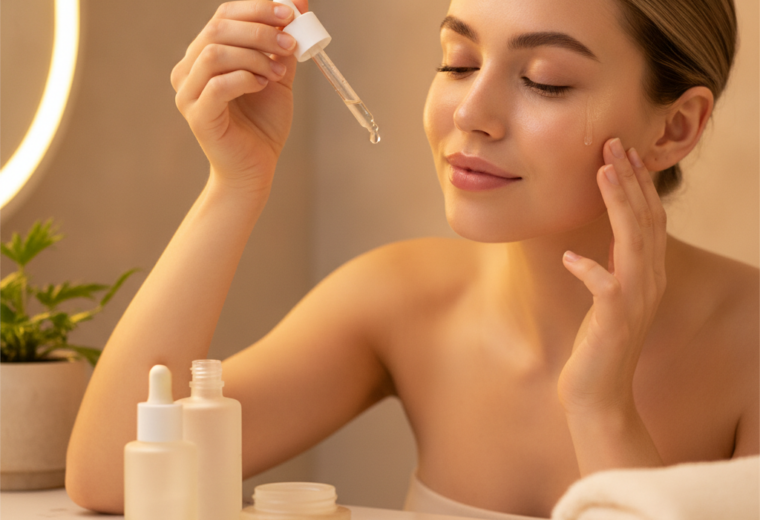
What Is Retinol Serum and How Does It Work?
Retinol Serum Benefits for Skin
Retinol serum is a popular skincare product known for its power to improve skin. It is a form of vitamin A that helps your skin look smoother and brighter. Retinol serum is used to fade fine lines, reduce acne, and make pores look smaller. Over time, skin can feel softer and appear younger.
- Reduces signs of aging like wrinkles
- Fades dark spots from sun or acne
- Smooths rough or uneven skin
- Keeps pores cleaner and less visible
- Supports a healthy glow
Scientific Insights and Innovations in 2026
In 2026, research has improved how retinol serum works. New formulas are milder but still effective, making them suitable even for younger or sensitive skin. Some retinol serums now use smart delivery systems. These help the serum absorb deeply without harsh side effects, giving faster and safer results.
Preparing Your Skin for Retinol Serum Application
Pre-Application Tips: Cleansing and Moisturizing
- Wash your hands. Clean hands stop germs from touching your face.
- Cleanse your face. Use a gentle face cleanser to remove dirt or oil. Pat skin dry with a towel.
- Add moisturizer. Wait for skin to dry. Then apply a light moisturizer. This helps protect your skin barrier.
Patch Testing Retinol Serum for Safety
- Choose a small area. Use behind your ear or on your inner forearm.
- Apply a pea-sized amount of retinol serum.
- Wait for 24 hours. Check for redness, itching, or swelling.
- If there are no signs of irritation, you can safely use retinol serum on your face.
How to Use Retinol Serum: Step-by-Step Routine
When to Apply Retinol Serum in Your Skincare Routine
- Evening only. Retinol serum should be used at night, since sunlight can make it less effective.
- Apply after cleaning and before heavy creams or oils.
Application Techniques and Dosage
- Start with a small amount. Use a pea-sized drop; this is enough for the whole face.
- Tap gently. Dab onto your forehead, cheeks, chin, and nose. Avoid the eyes and lips.
- Spread evenly. Use clean fingers to smooth the serum over your skin.
Frequency of Use for Beginners and Experienced Users
| User Level | How Often to Use |
|---|---|
| Beginner | Once every 3 nights for 2 weeks, then every other night if no irritation |
| Experienced | Every other night, then nightly as your skin gets used to it |
Layering Retinol Serum with Other Skincare Products
Combining Retinol Serum with Moisturizers, Sunscreen, and Actives
- Moisturizer: Always use a moisturizer after retinol to lock in moisture and reduce dryness.
- Sunscreen: In the morning, always use sunscreen (SPF 30 or higher) since retinol can make skin sensitive to sunlight.
- Other actives: Avoid using strong acids (like glycolic acid) or vitamin C at the same time. Use these products on different nights or mornings.
Common Skincare Mistakes to Avoid
- Using too much retinol serum or applying too often.
- Skipping a patch test.
- Forgetting sunscreen in the morning.
- Using harsh scrubs or peeling treatments with retinol serum.
- Applying on wet skin can increase irritation. Skin should be dry.
Dealing with Retinol Serum Side Effects and Irritation
Managing Redness, Peeling, and Sensitivity
- If you notice redness or peeling, use retinol serum less often (every 3-4 days).
- Apply a calming moisturizer after serum to help with sensitivity.
- Do not pick at peeling skin. Let it heal naturally.
- Avoid using other strong products until irritation goes away.
Expert Advice for Sensitive Skin Types
- Use a retinol serum with a lower strength (like 0.1%-0.3%).
- Sandwich method: Apply moisturizer, then retinol serum, then another layer of moisturizer.
- Introduce slowly—try once a week, then gradually build up use.
- If irritation continues, stop and consult a skin expert or dermatologist.
Retinol Serum Myths and Facts (2026 Edition)
- Myth: Only older people should use retinol serum.
Fact: Young people can use it for acne, oily skin, or prevention. - Myth: Retinol serum thins your skin.
Fact: It actually thickens the deeper skin layer over time. - Myth: You must see peeling for retinol serum to work.
Fact: Peeling is not needed for benefits—gentle use is enough. - Myth: You can’t use retinol serum if you have sensitive skin.
Fact: Lower strengths and careful use make it safe for many people.
Frequently Asked Questions About Retinol Serum Use
- Can I use retinol serum in the morning?
No, it’s best at night because sunlight weakens it and may irritate skin. - How long before I see results?
Improvements can show in 4 to 12 weeks. Keep using retinol serum for best results. - Can I use makeup after applying retinol serum?
Yes, but wait until moisturizer dries and always use sunscreen in the day. - Should teenagers use retinol serum?
Yes, with a doctor’s advice. It helps with acne and uneven skin. - What if I get a rash or swelling?
Stop using the product and see a doctor or skincare professional.
Resources and Expert Tips for Safe Retinol Serum Application
- Ask your pharmacist or dermatologist which retinol serum suits your skin type.
- Read labels and instructions before using any new serum.
- Check trusted websites and medical articles for retinol serum updates.
- Keep a skincare diary to track changes or side effects.
- Stay patient. Using retinol serum is a long-term process for healthy skin.
Summary: Key Points and Next Steps
- Retinol serum can brighten, smooth, and improve your skin when used correctly.
- Start slow—use small amounts, and let your skin adjust.
- Always patch test before using all over your face.
- Apply at night and wear sunscreen every day to protect results.
- Get advice from experts if you have sensitive skin or strong reactions.
- Stay consistent for the best, healthiest glow!